
Our Courses
We offer a variety of courses which will equip you to tackle any unforeseen circumstances.
What we offer
Basic Life Support (BLS) Training
Family & Friends CPR
Heartsaver Courses
CPR Training for Healthcare Professionals
Baby Basic CPR Course
First Aid Essentials for Children
CPR for Everyone
Basic Life Support (BLS) Training
Empower yourself with life-saving skills through our Basic Life Support (BLS) training program. Whether you are a healthcare professional, first responder, or a concerned citizen, our BLS course provides the knowledge and skills necessary to perform high-quality CPR and other essential life-saving techniques.
Who Should attend?
- Healthcare Providers: Nurses, doctors, paramedics, and other healthcare professionals.
- First Responders: Firefighters, police officers, and emergency medical technicians (EMTs).
- Community Members: Anyone interested in learning how to save lives, including parents, teachers, and coaches.
Certification
Upon successful completion of the course, participants will receive an accredited AHA BLS certification, valid for two years.
Why Choose?
- Expert Instructors: Our courses are led by certified trainers with real-world experience in emergency response.
- Flexible Scheduling: We offer weekday, weekend, and evening classes to fit your busy schedule.
- Modern Facilities: Train in a comfortable, well-equipped environment with the latest resuscitation equipment.
- Affordable Pricing: Competitive course fees with group discounts available for organizations and businesses.
Course Highlights:
- CPR for Adults, Children, and Infants: Learn the proper techniques for performing cardiopulmonary resuscitation (CPR) across all age groups, ensuring you can act quickly in an emergency.
- Airway Management: Learn advanced airway management techniques, including the use of bag-mask ventilation and airway adjuncts.
- AED Training: Understand how to safely and effectively use an Automated External Defibrillator (AED) to increase survival chances in cases of sudden cardiac arrest.
- Recognition of Cardiac Arrest: Training on how to quickly recognize signs of cardiac arrest and initiate the appropriate response.
- Choking Relief: Gain skills to relieve choking in conscious and unconscious individuals, with techniques tailored for different age groups.
- Team Dynamics: Training on how to work effectively as part of a resuscitation team, including roles and responsibilities during a life-threatening emergency.
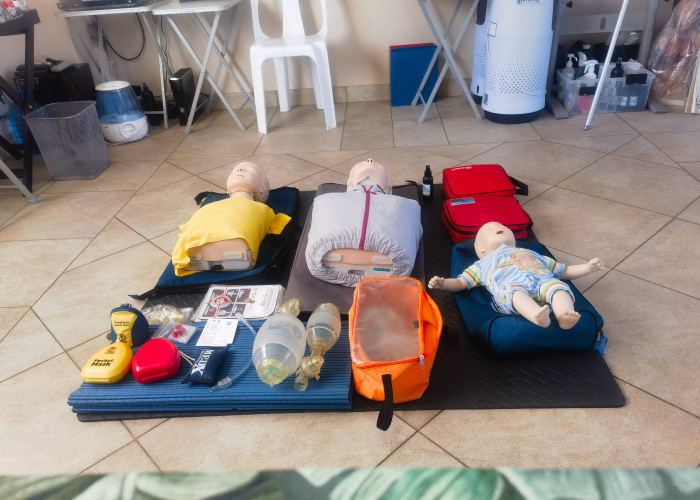
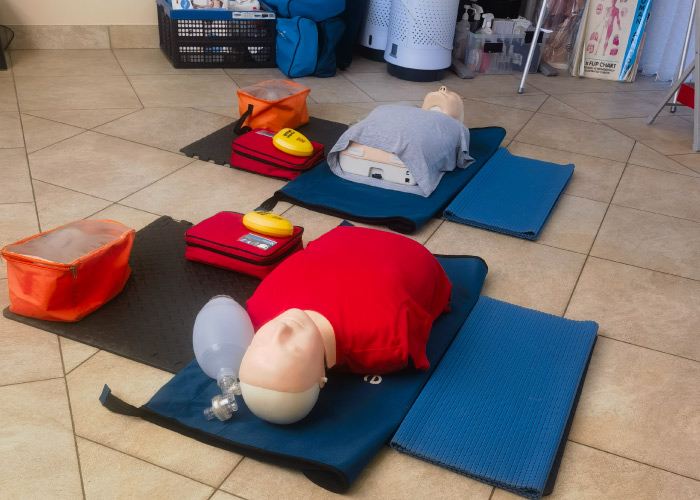
- Hands-On Practice: Engage in practical, scenario-based exercises using state-of-the-art manikins and equipment, guided by experienced instructors.
2025 Course Dates:
-
18 January 2025
-
01 February 2025
-
08 February 2025
-
22 February 2025
-
15 March 2025
-
29 March 2025
-
12 April 2025
-
26 April 2025
-
10 May 2025
-
24 May 2025
-
07 June 2025
-
28 June 2025
-
12 July 2025
-
26 July 2025
-
16 August 2025
-
30 August 2025
-
13 September 2025
-
20 September 2025
-
04 October 2025
-
18 October 2025
-
8 November 2025
-
22 November 2025
-
13 December 2025
If you are a group of 10 or more, we are willing to go to where you are in Gauteng, North West, Limpopo amd Mpumalanga.
Kindly Whatsapp 0768244980 or email khensani.honwana@outlook.com for more information regarding prices and venues.
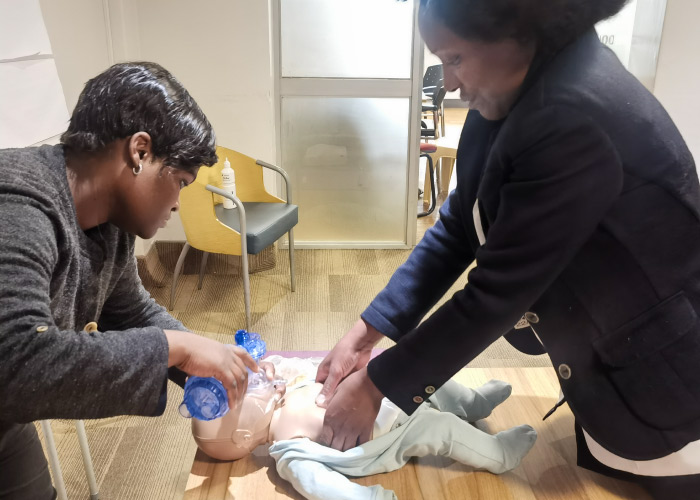
Family & Friends CPR
Duration: 4 Hours
Who Should attend?
This course is suitable for: Parents, Grandparents, Nannies, Au Pairs, Children (from approx. 12yrs) Domestic Staff, Care Givers, Teachers and Assistants, Ground Staff, Kitchen Staff, Shuttle Service Personnel, General Public.
Certification
On completion of the course, the participant will be issued with a CPR Orientation certificate, valid for 2 years.
Course Details:
-
A popular class for homes, Pre-primary and Primary schools, Daycare centres.
-
No prior knowledge/training required.
-
This is an approved course as per the Resuscitation Council of Southern Africa guidelines.
-
Discovery Miles (1000) earned.
- It is preferable to keep the parent/teacher classes and domestic/care-giver classes separate.
Kindly Whatsapp 0768244980 or email khensani.honwana@outlook.com for more information regarding prices and venues.
Heartsaver Courses
Empower yourself with essential life-saving skills through our Heartsaver courses at. Designed for laypersons and non-medical professionals, our Heartsaver courses provide practical, hands-on training in basic emergency response techniques.
Who Should attend?
- General Public: Individuals interested in acquiring life-saving skills for personal and community safety.
- Workplace Safety Teams: Employees in various industries who need to meet workplace safety requirements.
- Parents and Caregivers: Those responsible for the safety and well-being of children and family members.
- Community Members: Anyone looking to contribute to the safety and preparedness of their community.
Certification
Upon successful completion, receive an official Heartsaver certification card, valid for two years, demonstrating your proficiency in life-saving techniques.
Why Choose?
- Certified Instructors: Courses are led by experienced and certified instructors who provide personalized attention and practical insights.
- Hands-On Training: Engage in realistic practice scenarios using up-to-date manikins and AEDs, ensuring you are confident in applying your skills.
- Flexible Scheduling: We offer a range of course dates and times, including weekday, weekend, and evening options, to fit your busy schedule.
Course Offerings:
- Heartsaver CPR/AED: Learn how to perform cardiopulmonary resuscitation (CPR) and use an Automated External Defibrillator (AED) for adults, children, and infants. This course is ideal for individuals who need to respond to cardiac emergencies in various settings.
- Heartsaver First Aid: Gain skills in managing common injuries and medical emergencies, including wound care, burns, fractures, and sudden illnesses. This course complements CPR/AED training and is perfect for workplace safety teams, teachers, and caregivers.
- Heartsaver Pediatric First Aid: Focus on emergency care for infants and children, covering topics such as choking, poisoning, and pediatric illnesses. This course is tailored for parents, daycare providers, and anyone who cares for young children.
Kindly Whatsapp 0768244980 or email khensani.honwana@outlook.com for more information regarding prices and venues.
CPR Training for Healthcare Professionals
Enhance your life-saving skills with our specialized CPR (Cardiopulmonary Resuscitation) training designed for healthcare professionals. This course equips you with the advanced knowledge and techniques required to respond effectively in emergency situations.
Who Should attend?
- Doctors and Nurses: Critical care, emergency, and general practitioners who need to maintain their CPR certification.
- Paramedics and EMTs: Emergency medical professionals requiring up-to-date CPR skills.
- Dentists and Surgeons: Professionals in specialized fields who may encounter cardiac emergencies in their practice.
- Allied Health Professionals: Respiratory therapists, physical therapists, and other healthcare providers involved in patient care.
Certification
Upon successful completion of the course, participants will receive a CPR for Healthcare Providers certification, valid for two years.
Course Highlights:
- Advanced CPR Techniques: Comprehensive training on performing high-quality CPR on adults, children, and infants, tailored to the healthcare environment.
- Airway Management: Learn advanced airway management techniques, including the use of bag-mask ventilation and airway adjuncts.
- Use of AED: Detailed instruction on the integration of Automated External Defibrillators (AEDs) during resuscitation efforts.
- Recognition of Cardiac Arrest: Training on how to quickly recognize signs of cardiac arrest and initiate the appropriate response.
- Team-Based Resuscitation: Focus on coordinated resuscitation efforts within a healthcare team, including communication, role assignment, and leadership during a code.
- Hands-On Practice: Engage in realistic simulations and hands-on practice using advanced manikins and medical equipment under the guidance of experienced instructors.
2024 Course Dates for professionals:
- 21 September
- 12 October
- 23 November
- 7 December
Kindly Whatsapp 0768244980 or email khensani.honwana@outlook.com for more information regarding prices and venues.
Baby Basic CPR Course
The course would cover essential skills for handling emergency situations involving infants. Topics could include:
Course Highlights:
- Infant CPR (Cardiopulmonary Resuscitation):
– Proper technique for performing chest compressions and rescue breaths on infants (under 1 year old).
– Focus on rhythm, depth, and safety during compressions.
– What to do if the baby is unresponsive and not breathing. - Infant Choking:
– Recognizing the signs of choking.
– Techniques to dislodge an object from an infant’s airway (back blows and chest thrusts). - Emergency Preparedness:
– Steps to take in case of common infant emergencies (drowning, allergic reactions, etc.).
– When and how to call emergency services. - Understanding Infant Vital Signs:
– Recognizing normal breathing and pulse rates for infants.
– Identifying signs of distress
Dates organised as per appointment.
First Aid Essentials for Children
This course would equip parents, teachers, caregivers, and even older children with the necessary skills to respond effectively in emergencies. Here’s a breakdown of the key topics you might include in the course:
Course Offerings:
1. Understanding Basic First Aid Principles:
- DR ABC (Danger, Response, Airway, Breathing, Circulation): A foundational approach to managing any emergency situation.
- Emergency Contact: How and when to call for help (911 or local emergency services).
2. CPR for Children:
- Differences Between Adult, Child, and Infant CPR: Explaining the different techniques based on age.
- CPR Procedure for Children (1-12 years):
– Chest compressions and rescue breaths.
– Focus on the depth and frequency of compressions for children.
3. Choking Management:
- Signs of Choking: Partial vs. complete airway obstruction.
- Heimlich Maneuver for Children: How to perform abdominal thrusts on a child.
- Back Blows and Chest Thrusts for Infants.
4. Treating Common Childhood Injuries:
- Cuts and Scrapes:
– Cleaning wounds, applying antiseptic, and bandaging. - Burns:
– First-degree, second-degree, and third-degree burns—what to do for each type.
– Cool water treatment and when to seek medical attention. - Nosebleeds:
– Proper positioning and care to stop a nosebleed. - Bruises:
– Ice packs and monitoring for deeper injury. - Splinters:
– How to safely remove a splinter. - Bites and Stings:
– Treating insect bites, stings, and animal bites.
– Recognizing signs of allergic reactions or anaphylaxis.
5. Fractures and Sprains:
- Signs of Fractures: How to recognize a broken bone.
- Immobilization: How to keep the limb still and prevent further injury.
- Sprain Care: Using the R.I.C.E. method (Rest, Ice, Compression, Elevation).
6. Allergic Reactions and Anaphylaxis:
- Recognizing Allergic Reactions: Common symptoms (hives, swelling, trouble breathing).
- Using an EpiPen: Demonstrating the correct way to use an auto-injector for severe allergic reactions.
7. Poisoning:
- Signs of Poisoning: Unusual breath odor, vomiting, confusion, etc.
- Immediate Steps: How to call poison control and what to do before medical help arrives.
8. Heat Exhaustion and Heatstroke:
- Recognizing Heat-Related Illness: Symptoms of heat exhaustion (heavy sweating, weakness, nausea) vs. heatstroke (confusion, no sweating, red skin).
- First Aid Steps: Cooling the child down and providing hydration.
9. Asthma Attacks:
- Recognizing an Asthma Attack: Wheezing, shortness of breath, chest tightness.
- Inhaler Use: Teaching how to administer a child’s asthma inhaler or medication.
10. Head Injuries:
- Signs of Concussion: Headache, dizziness, nausea, confusion, and imbalance.
- First Aid Steps: Rest, monitoring, and when to seek medical attention.
11. Drowning and Water Safety:
- Rescuing a Drowning Child: Safe water rescue techniques.
- CPR for Drowning Victims: Special considerations for water rescue situations.
12. Seizures:
- What to Do During a Seizure: Keeping the child safe, rolling them on their side, and timing the seizure.
- When to Call for Help: If the seizure lasts longer than a few minutes or if it’s the child’s first seizure.
Dates organised as per appointment.
CPR for everyone
This course at your clinic would be an inclusive program teaching essential life-saving skills to a wide audience. This course can cater to all age groups and various situations, making it ideal for parents, caregivers, educators, employers, and the general public. Here’s an outline to consider:
Course Outline:
1. Introduction to CPR:
- What CPR (Cardiopulmonary Resuscitation) is and why it’s essential.
- Understanding the role of CPR in different emergencies: cardiac arrest, drowning, choking, and more.
- Importance of early intervention: the Chain of Survival (early recognition, CPR, defibrillation, advanced care).
2. CPR for Adults:
- When to Start CPR:
– Recognizing the signs of a heart attack and cardiac arrest.
– Checking for responsiveness and breathing. - Performing CPR on Adults:
– Chest compressions: How deep and fast to compress.
– Rescue breaths: The correct technique and when to use them.
– Hands-only CPR: Emphasizing chest compressions if rescue breaths are not possible. - Automated External Defibrillator (AED):
– Introduction to AED use: When and how to apply it during CPR.
– Safe usage and placement of pads.
3. CPR for Children (1-12 years old):
- Differences in anatomy and compressions compared to adults.
- Chest compressions: How deep and how fast.
- Providing rescue breaths.
- When to call for help.
4. CPR for Infants (Under 1 year old):
- Recognizing an unresponsive infant.
- Infant chest compressions: How to perform them safely with two fingers.
- Providing gentle rescue breaths.
- Special considerations (such as handling smaller airways).
5. Choking Management:
- For Adults and Children:
– Recognizing the signs of choking.
– The Heimlich Maneuver (abdominal thrusts) and back blows. - For Infants:
– Handling infant choking with back blows and chest thrusts. - Steps to take if someone becomes unresponsive due to choking.
6. AED Training:
- How an AED Works:
– What an AED is and its importance during CPR.
– Demonstrating how to use an AED in different situations (adult vs. child).
– Safety precautions when using an AED. - Hands-on practice with AED training devices.
7. Emergency Scenarios:
- Role-playing different real-life emergencies (cardiac arrest, drowning, choking) and practicing appropriate CPR responses.
- How to deal with panic and remain calm during emergencies.
- Coordinating with others in a public space or crowded area during an emergency.
8. Hands-on Practice:
- Practicing chest compressions on adult, child, and infant mannequins.
- Practicing rescue breaths and AED application.
- Partner drills and group practice to ensure comfort and confidence.
9. First Aid Essentials:
- Brief introduction to first aid for common injuries (bleeding, burns, fractures) if included as part of a comprehensive training.
Dates organised as per appointment.